HIGHLIGHTS OF DAY 1 | JOINT MISSION & CAPACITY-BUILDING PROGRAMME
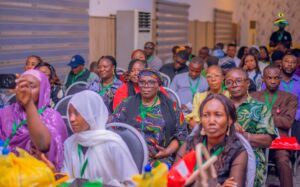
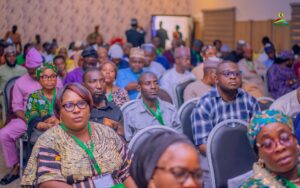
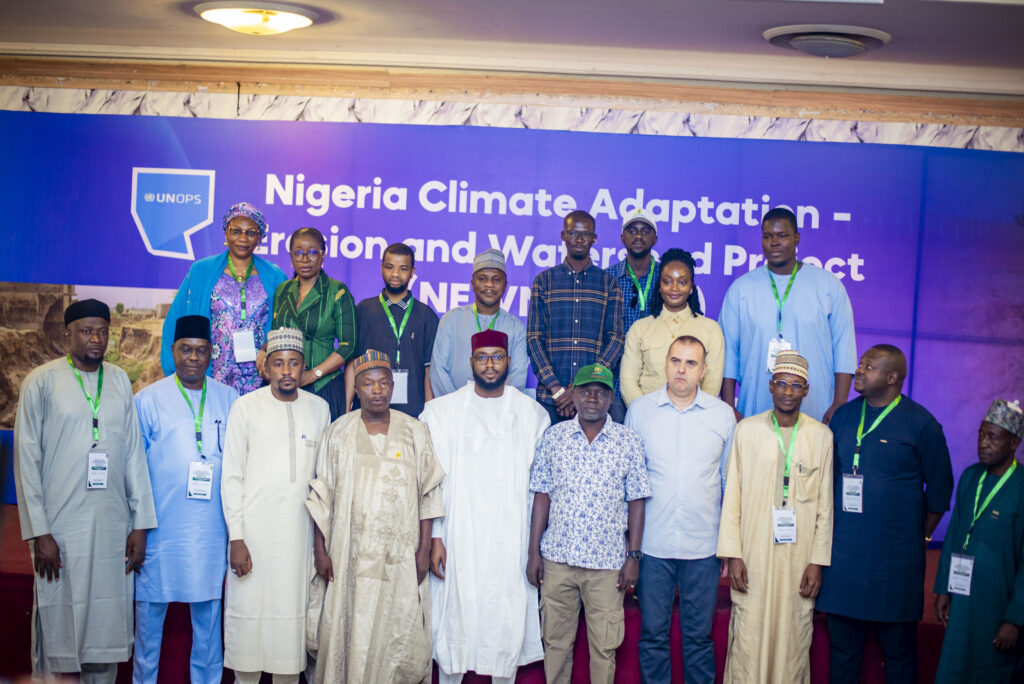
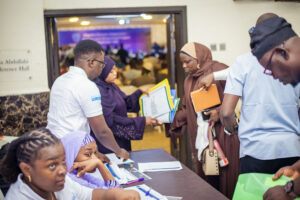
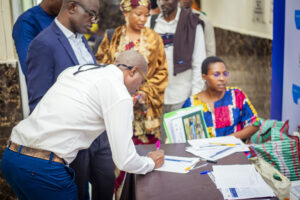
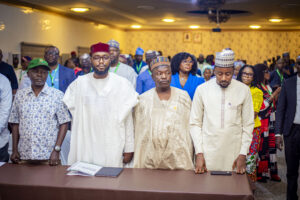
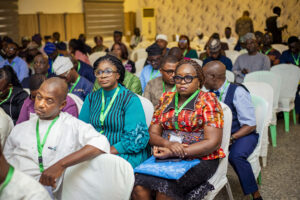
The Joint Mission and Capacity-Building Programme for the Nigeria Climate Adaptation – Erosion and Watershed Project (NEWMAP-EIB) commenced today in Kano State, bringing together representatives of the Federal Project Management Unit (FPMU), State Project Implementation Units (SPIUs), UNOPS and participating stakeholders from 23 NEWMAP-EIB States.
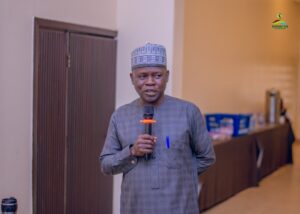
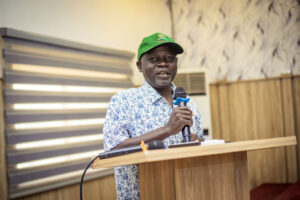
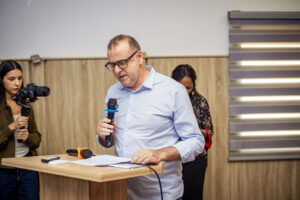
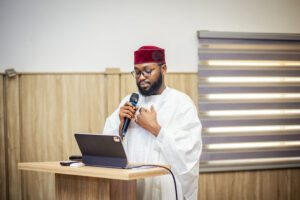
In his opening address, the Hon. Commissioner for Environment, Kano State, Dr. Dahir M. Hashim, reaffirmed the State’s commitment to climate adaptation and erosion management, particularly across its four priority intervention sites.
The National Project Coordinator, NEWMAP-EIB, Engr. Anda Ayuba Yalaks, welcomed participants and encouraged active participation, collaboration and knowledge-sharing throughout the programme.
Welcoming the delegates, UNOPS Project Coordinator, Donato Serena, outlined the purpose of the capacity-building exercise: to strengthen technical and operational capacities, promote effective coordination among FPMU, SPIUs and UNOPS, and equip stakeholders with practical knowledge and tools for efficient, compliant and quality project implementation. He also took participants through the three-day programme schedule and called for their full cooperation and active engagement.
The Day 1 programme set the stage for technical sessions, stakeholder engagement and field activities aimed at strengthening project delivery under NEWMAP-EIB.

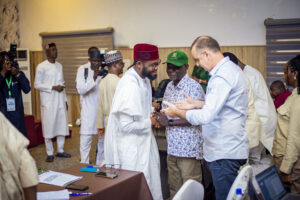
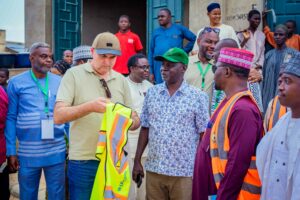
Joint Mission Tours Proposed Erosion Control Sites in Kumbotso, Kano
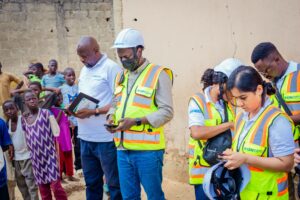
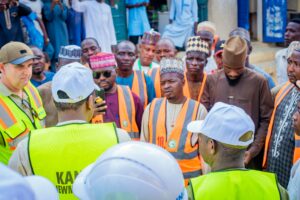
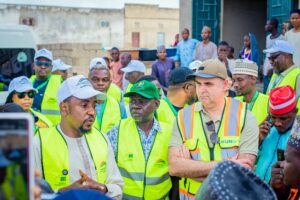
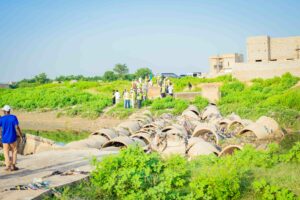
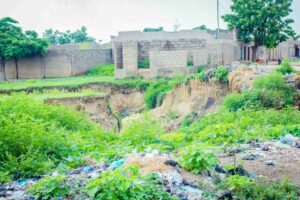
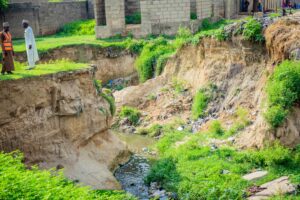
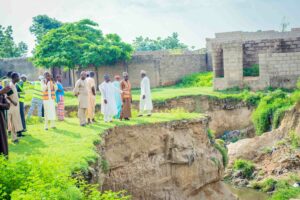
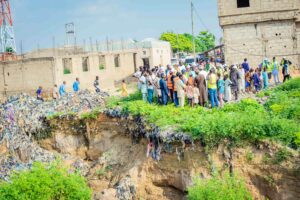
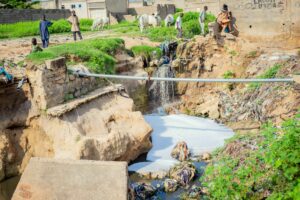
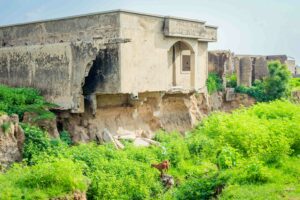
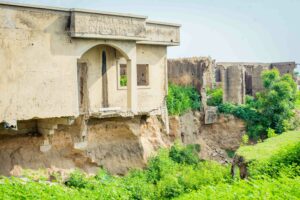
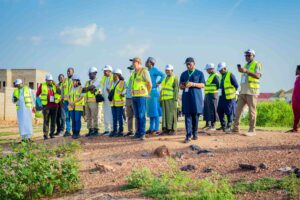
As part of the GoN–UNOPS–FPMU–SPIUs Joint Mission and Capacity-Building Programme in Kano, the team visited two proposed erosion control sites in Kumbotso LGA — Kwankwasiyya City and Wailari/Kwarin Goje, engaging community leaders to assess the scale of erosion impact ahead of planned interventions.
At Kwankwasiyya City, the team observed a major gully spanning roughly 1.9 kilometres, with an additional 1-kilometre finger, affecting an estimated 20,000 residents. Community leaders noted the gully began as a small channel and has since expanded to threaten homes, infrastructure and livelihoods.
At Wailari/Kwarin Goje, the proposed site covers approximately 24.81 hectares and 400 metres in length, with an estimated 25,000 residents affected.
Community leaders welcomed the proposed interventions and urged timely implementation to safeguard their homes and livelihoods.
The visit deepened the mission team’s understanding of on-ground realities and strengthened engagement with communities set to benefit from the proposed works.
Day 2 – Capacity-Building
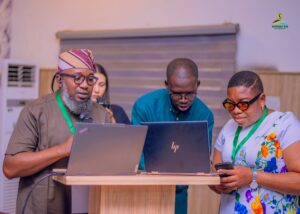
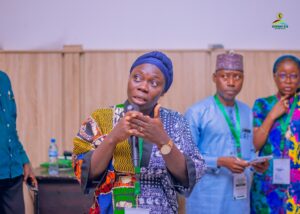
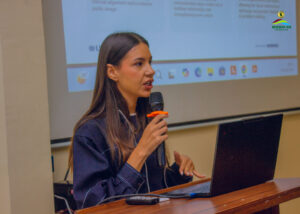
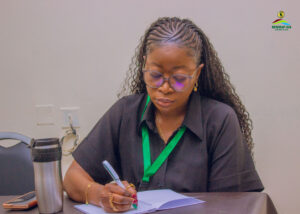
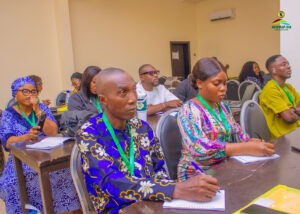
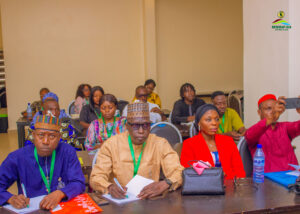
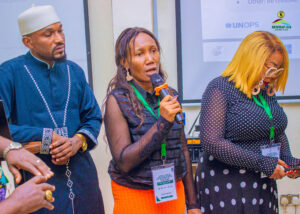
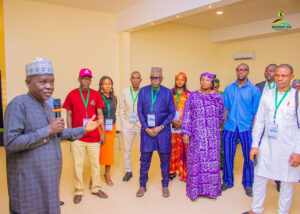
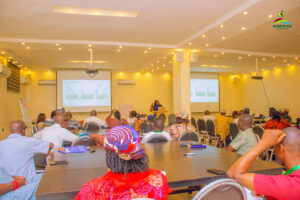
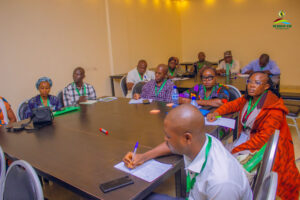
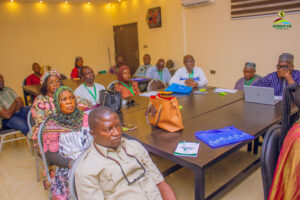
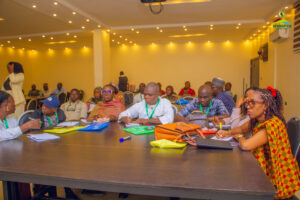
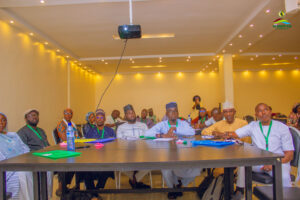
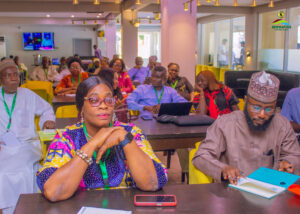
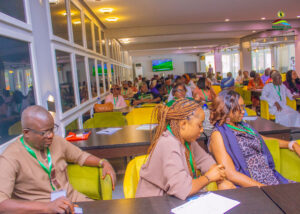
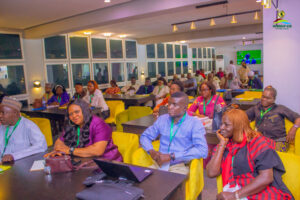
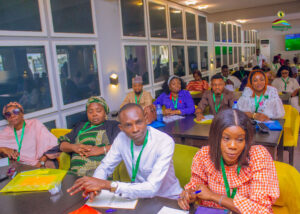
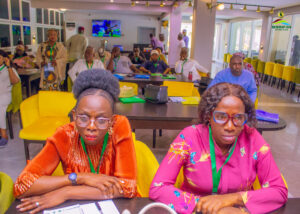
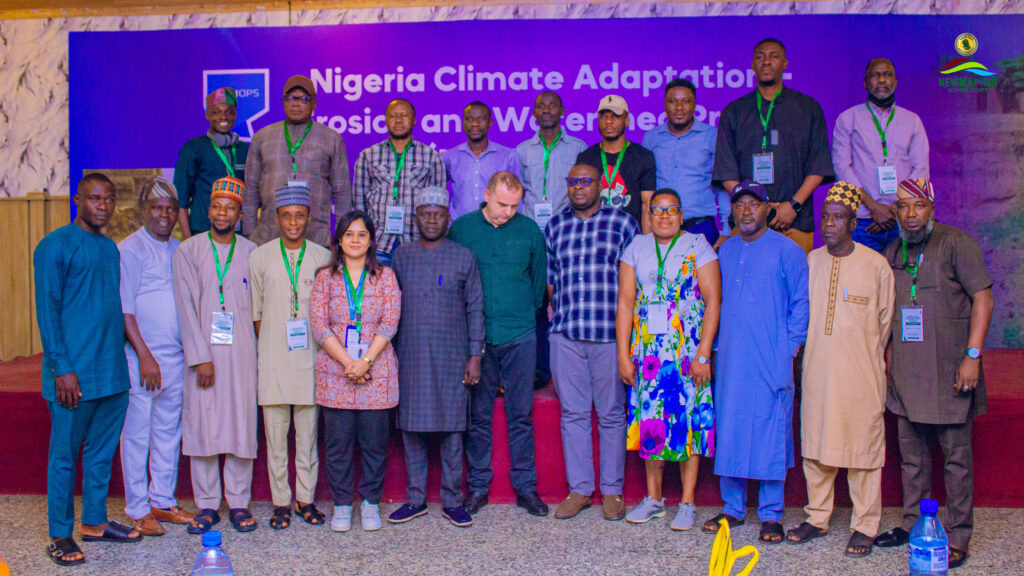
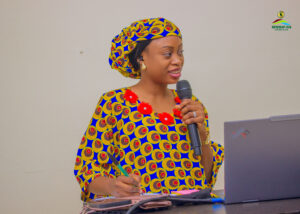
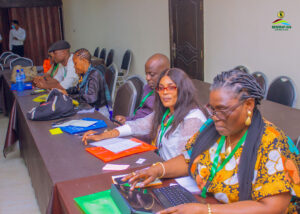
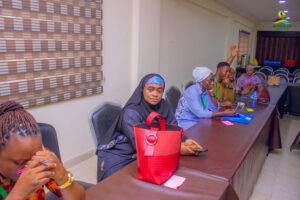
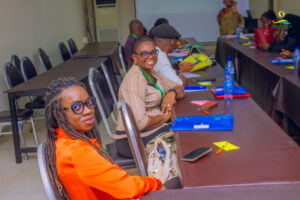
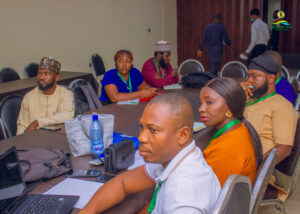
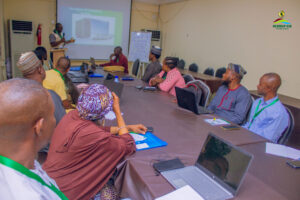
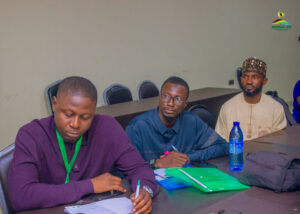
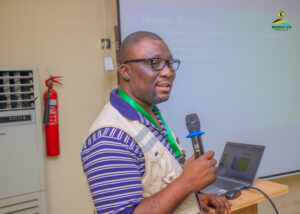
Participants at the NEWMAP-EIB Capacity Building Training in Kano deep-dive into thematic breakout sessions on Day 2, covering Communications, Human Resources & Administration, GIS/ICT/MIS, Grievance Redress Mechanism (GRM) & GBV, and Audit. Facilitators led practical, discipline-specific sessions designed to strengthen institutional systems and international best practice across the project’s implementing structures.
COMMUNICATION UNIT
HR/HUMAN RESOURCES
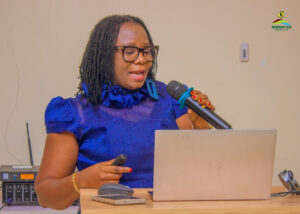
AUDIT UNIT
GIS UNIT
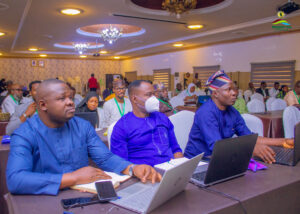
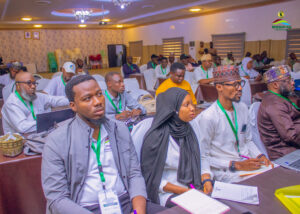
GBV/GRM UNIT
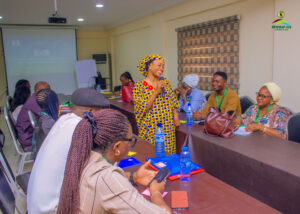
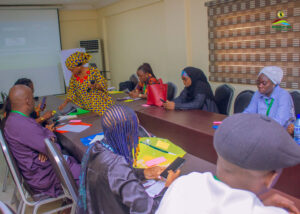
INFORMATION, COMMUNICATION TECHNOLOGY (ICT) / MIS UNIT
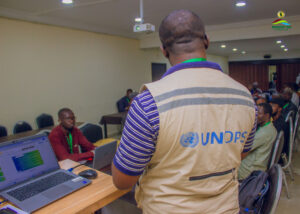
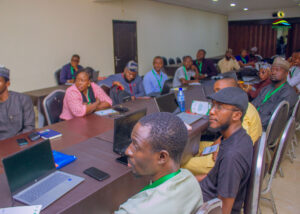
UNOPS TEAM
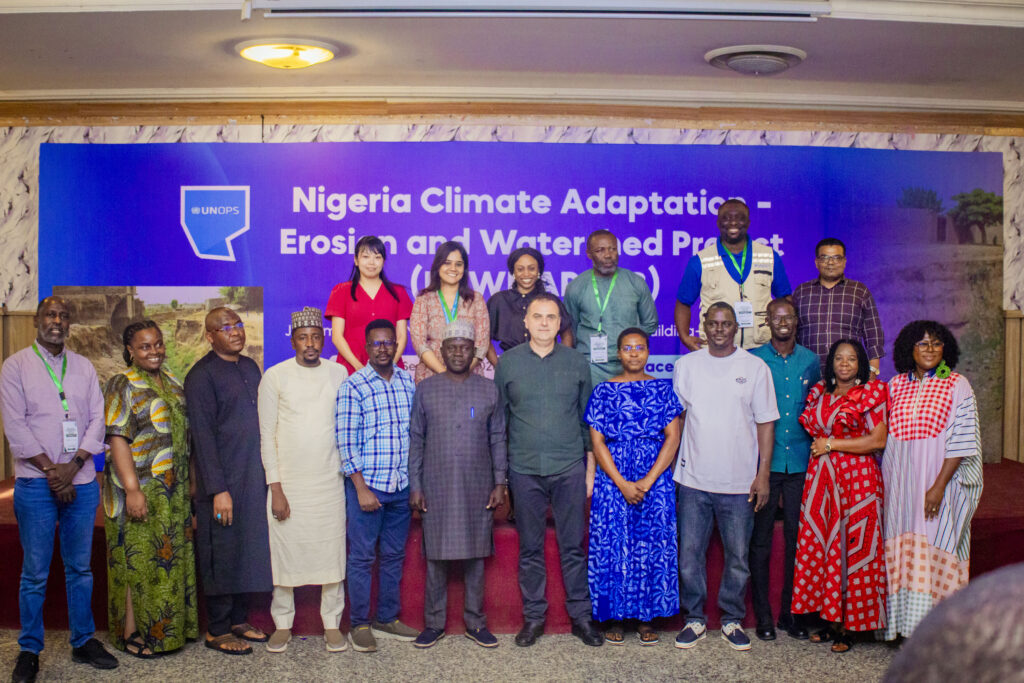
Day 3 — UNOPS-NEWMAP/EIB Capacity Building Training, Kano
9 September 2026
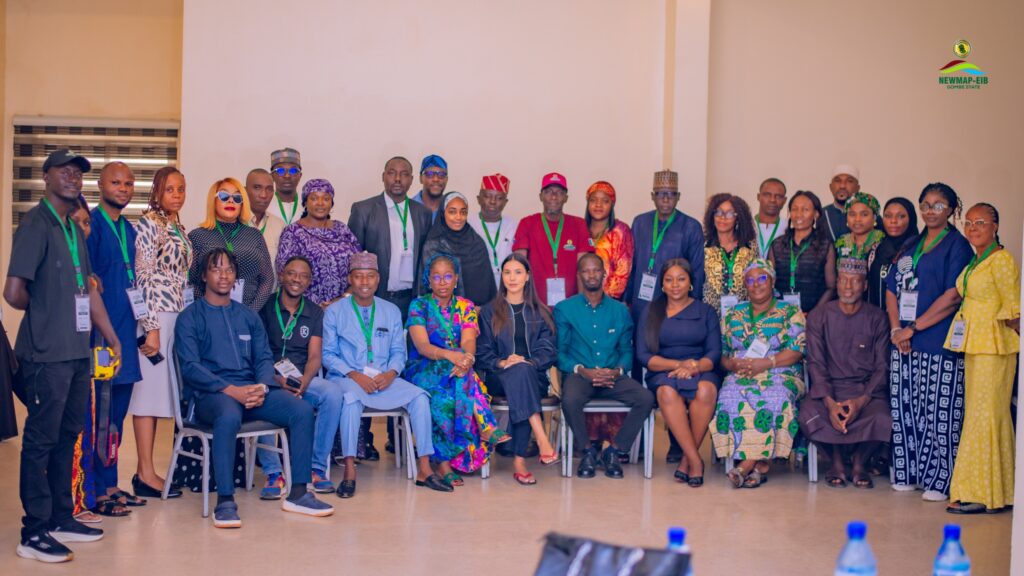
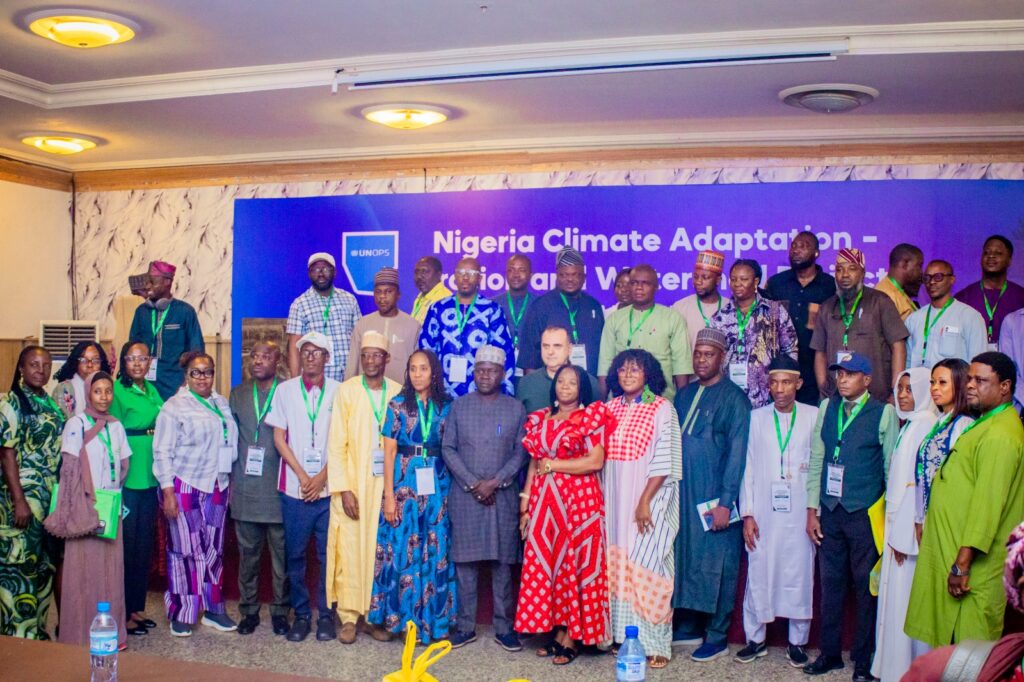
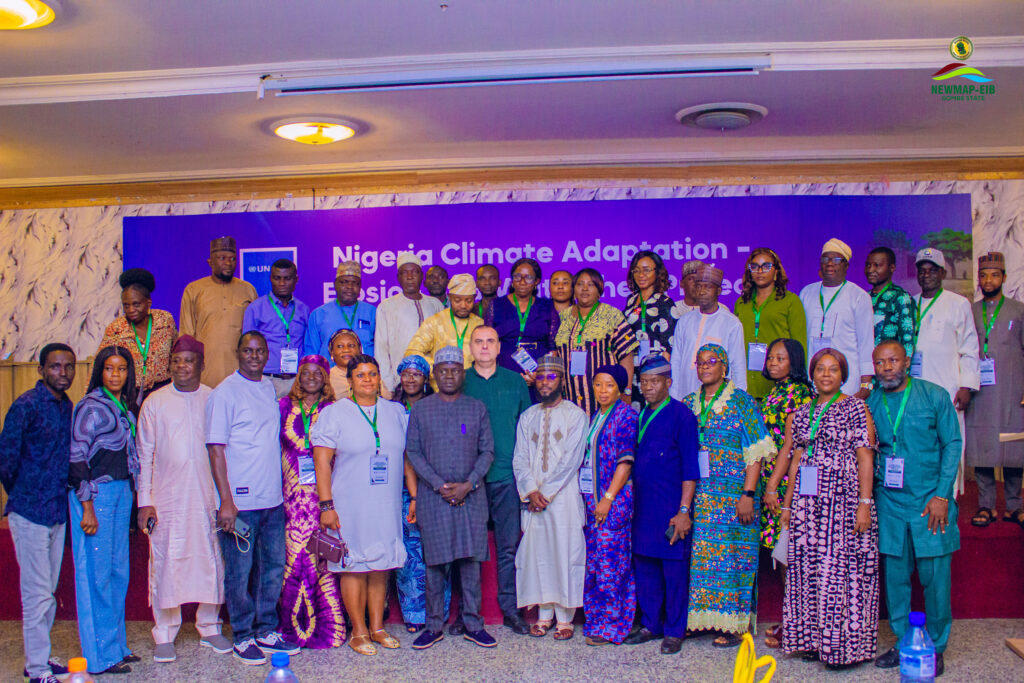
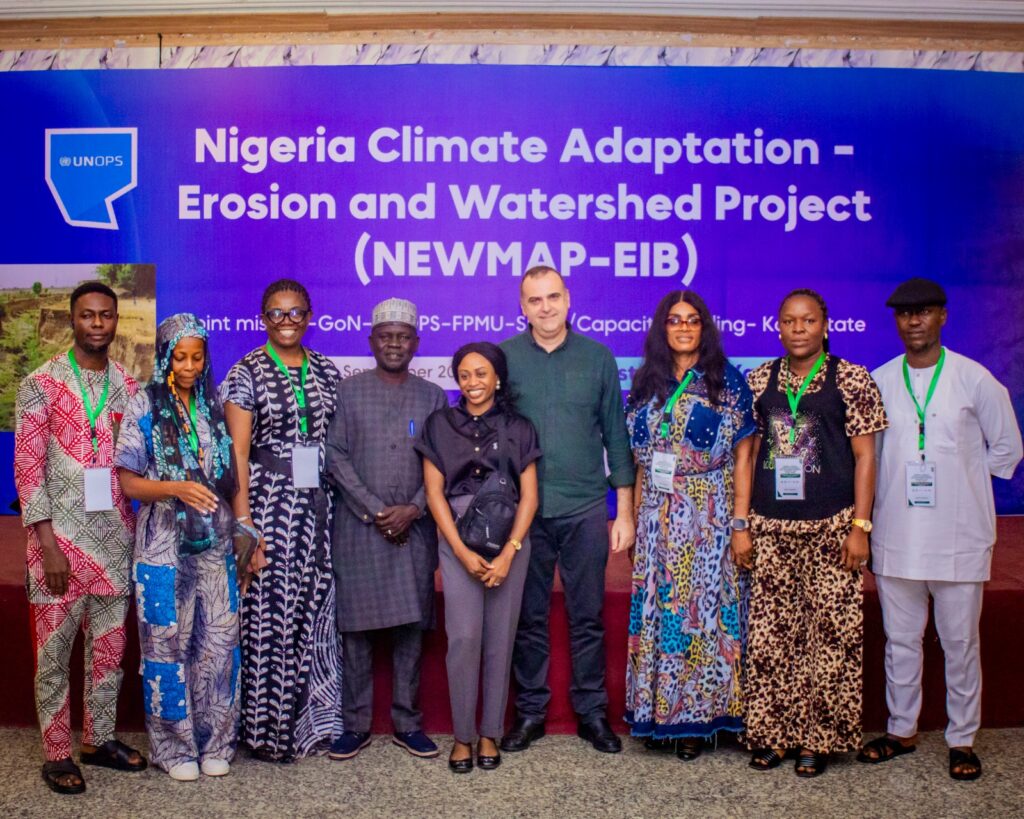
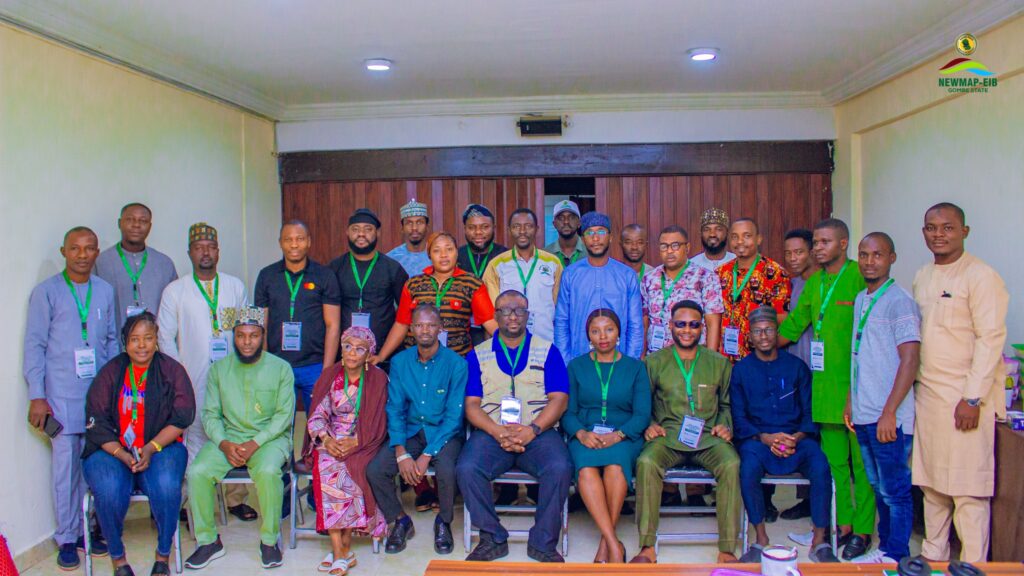
Participants pictured in thematic group photographs following Day 3 of the UNOPS-NEWMAP/EIB Capacity Building Training in Kano. Sessions were held across six groups — Communications, HR and Administration, GIS, ICT/MIS, GBV/GRM, and Audit — facilitated by resource persons from UNOPS.